Building Guide
How Construction Loans Work When You're Building a Home

By Hudson GrayUpdated
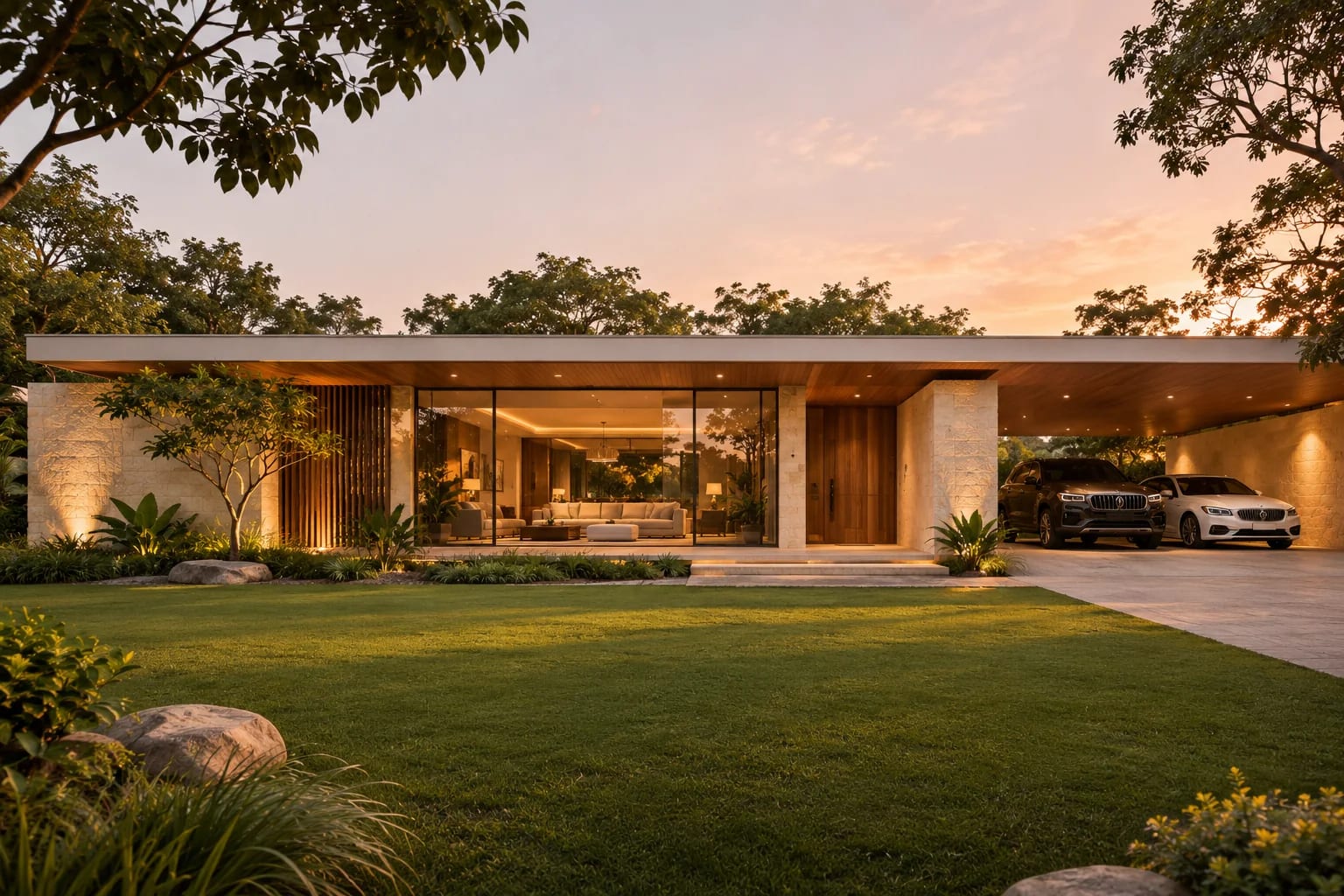
A regular mortgage assumes the house already exists. When you're building one, you need financing that pays out as the walls go up, and that works differently from what most buyers are used to.
Here's how construction loans work in short: a lender releases money in stages as work is completed and inspected, you usually pay interest on what's been drawn, and the loan either converts to a mortgage or is paid off by one when the home is finished. This guide covers the types, the draw process and what lenders ask for. It's general information, not financial advice.
What Is a Construction Loan?
A construction loan is usually a short-term loan that funds building or rehabilitating a home. The money is typically provided in a series of advances as construction progresses, according to the Consumer Financial Protection Bureau.
The CFPB also notes that construction loans generally have higher interest rates than mortgages used to buy existing homes, and that payments sometimes start six to 24 months after the loan is made.
Common Construction Loan Types
Most borrowers choose between financing that converts to a mortgage and a separate construction-only loan. Fannie Mae, for example, supports both single-closing and two-closing construction-to-permanent transactions.
| Single-close (construction-to-permanent) | Two-close | Construction-only | |
|---|---|---|---|
| Closings | One | Two: construction loan, then mortgage | One, plus a separate mortgage later |
| After construction | Converts to a long-term mortgage | Construction loan is paid off by a new mortgage | Pay off in a lump sum or refinance |
| Main advantage | One set of closing costs and approval | Shop for the mortgage later | Flexibility |
| Main risk | Fewer lenders and products to choose from | Requalifying for the mortgage | Requalifying, and rates may change |
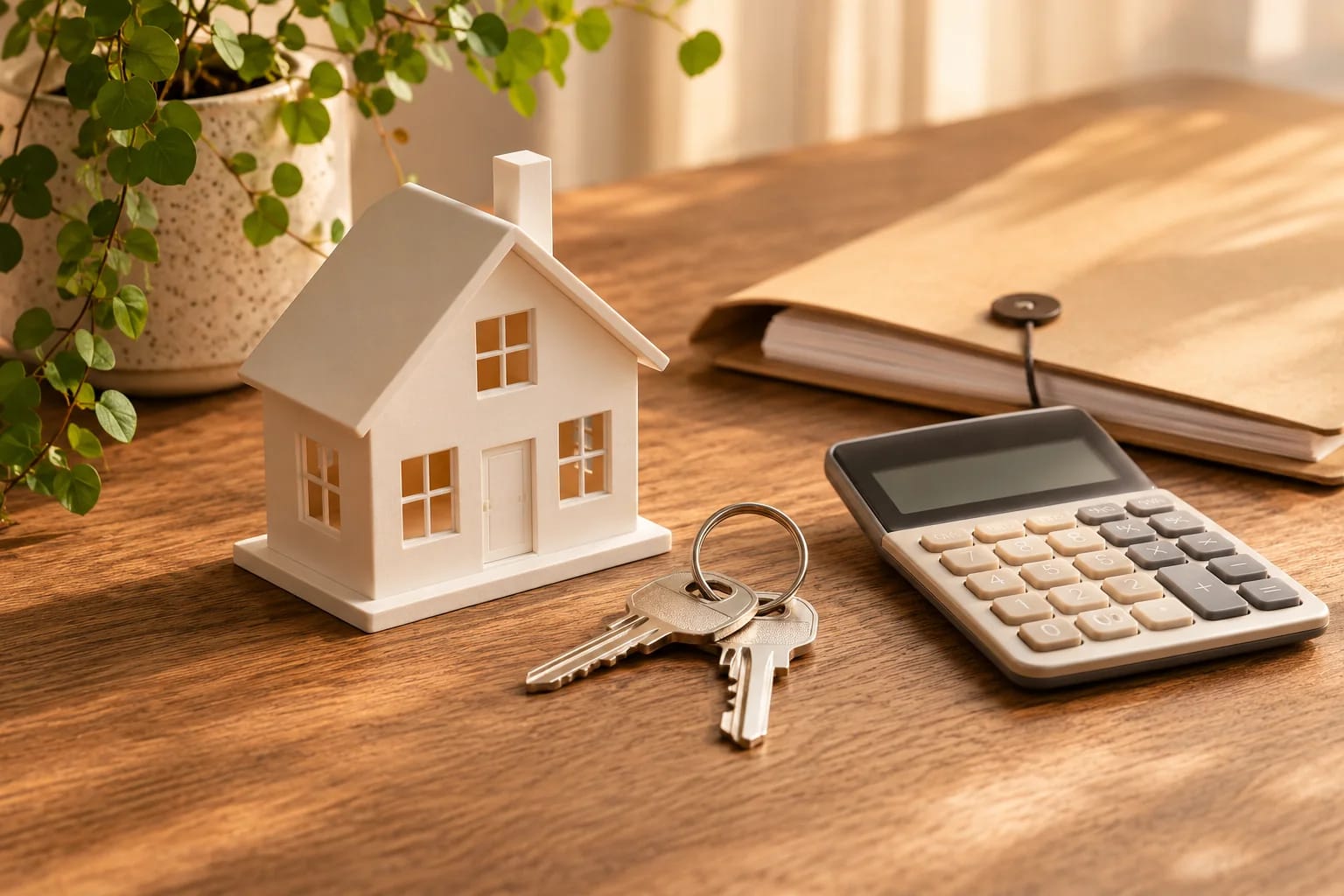
How Construction Loans Work: Draws and Interest
Instead of a lump sum, the lender releases money in stages, or draws, as work is completed. Each draw usually follows an inspection that confirms the work was done.
During construction, you often pay interest only on the amount drawn so far. Ask your lender how the draw schedule works, how long inspections take and what they cost, since slow draws can hold up your builder.
Apply
Share income, credit, final plans, a detailed budget and your builder contract.
Approval and appraisal
The lender approves the builder and appraises the home as it will be when finished.
Close
Sign the loan: once for a single-close loan, or the first of two closings.
Draws
Funds are released in stages after inspections, and you usually pay interest on what's drawn.
Completion
Final inspection and certificate of occupancy.
Mortgage
The loan converts to a mortgage, or a new mortgage pays it off.
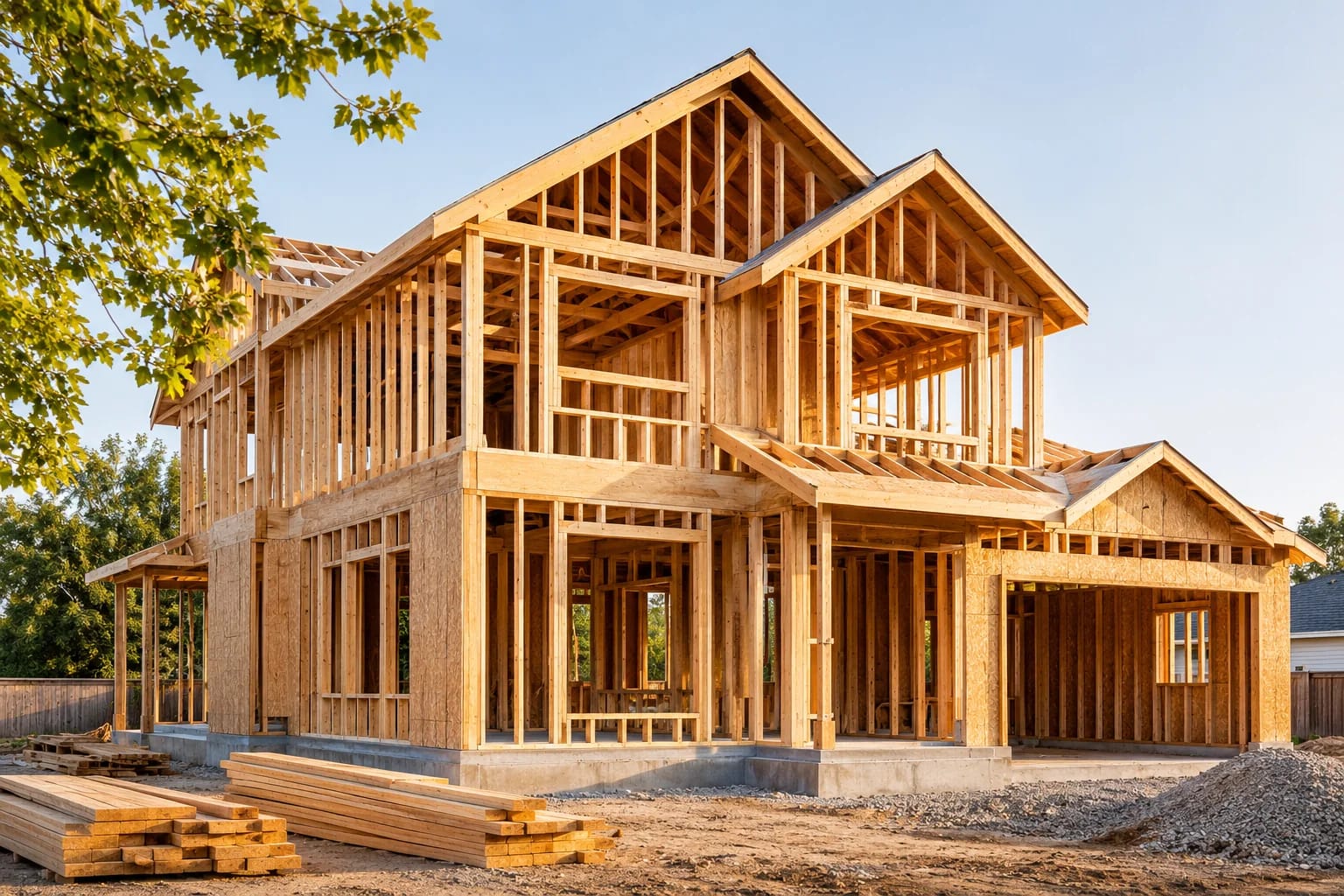
What Lenders Ask For
Expect more paperwork than for a standard mortgage, because the lender is financing a home that doesn't exist yet. Most will ask for:
- Income, asset and credit documentation.
- Final plans and specifications.
- A detailed construction budget.
- A signed contract with a builder they approve.
- An appraisal based on the value of the finished home.

Plan a Contingency
Building rarely goes exactly to budget, so plan reserves for changes and surprises. Ask your lender and builder how overruns are handled before you sign.
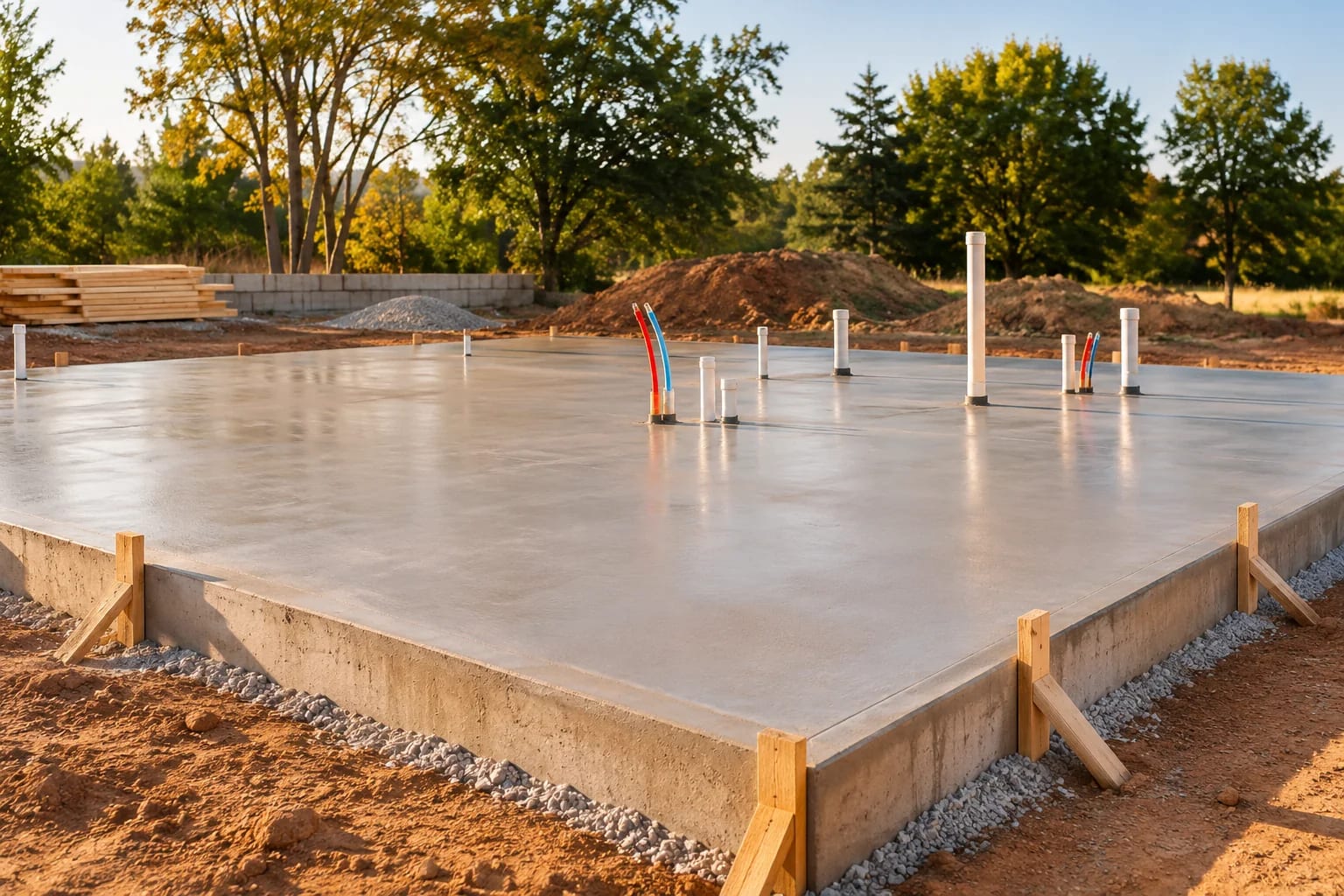
Surprises are most common below ground, where soil, rock or water can change the foundation and its cost. Choosing your builder carefully and comparing detailed bids reduces the risk.
Questions to ask a lender
Compare lenders on more than the rate. Ask each one:
- What down payment do you require?
- Does the loan convert to a mortgage automatically, and can the rate change before then?
- How does the draw schedule work, and how long do inspections take?
- What happens if construction runs over time or budget?
- Will you approve my builder, and can I act as my own general contractor?
Common mistakes to avoid
Watch for these:
- Comparing loans on interest rate alone, ignoring fees and draw policies.
- Starting with no contingency reserve.
- Choosing a builder your lender won't approve.
- Assuming a construction-only loan will convert without requalifying.
Any paid link in this article is labeled Sponsored. Learn how we work with partners.
Common Questions
Is it harder to get a construction loan than a mortgage?
Often, yes, because the lender is financing something that doesn't exist yet. Expect more documentation about the plans, budget and builder, and an appraisal based on the finished home's value.
Do construction loans have higher interest rates?
Generally, yes. The CFPB notes that construction loans usually have higher interest rates than longer-term mortgages used to purchase homes. Rates and fees vary by lender, so compare several.
What is a one-time close construction loan?
It's a single loan that covers construction and then converts to a long-term mortgage, with one closing. Fannie Mae calls this a single-closing construction-to-permanent transaction. It avoids a second set of closing costs and a second approval.
Do I make payments while my house is being built?
Often you pay interest only on the amount drawn so far. The CFPB notes that payments sometimes start six to 24 months after the loan is made. Your loan terms set the details, so ask your lender.
Can I be my own general contractor with a construction loan?
Some lenders allow it, but many don't, or they ask for relevant experience. Ask before you plan around it.
Can I use a construction loan to buy the land too?
Many construction loans can include the lot purchase, and some let you use land you already own toward the down payment. Policies vary, so ask lenders how they treat land.
Financing Your Build
A construction loan pays your builder in stages as the home goes up, then becomes or is replaced by a mortgage. Compare single-close and two-close options, understand the draw process, and plan a contingency before you break ground. Get every lender's answers in writing so you can compare them fairly.
With financing in view, choose a plan that fits your budget and lot.
Browse floor plansSources
Plans Mentioned Here
Modern 3-Bedroom Ranch
2,400 sq. ft. · 3 beds · Single story
Keep Reading
 Architecture
10 Modern Villa Designs for a Luxurious Lifestyle
 Interior Design
Open Floor Plan Ideas for Bright, Airy Modern Homes
 Floor Plans