Hiring Guide
How to Choose a Custom Home Builder: Checks, Bids and Contracts

By Hudson GrayUpdated
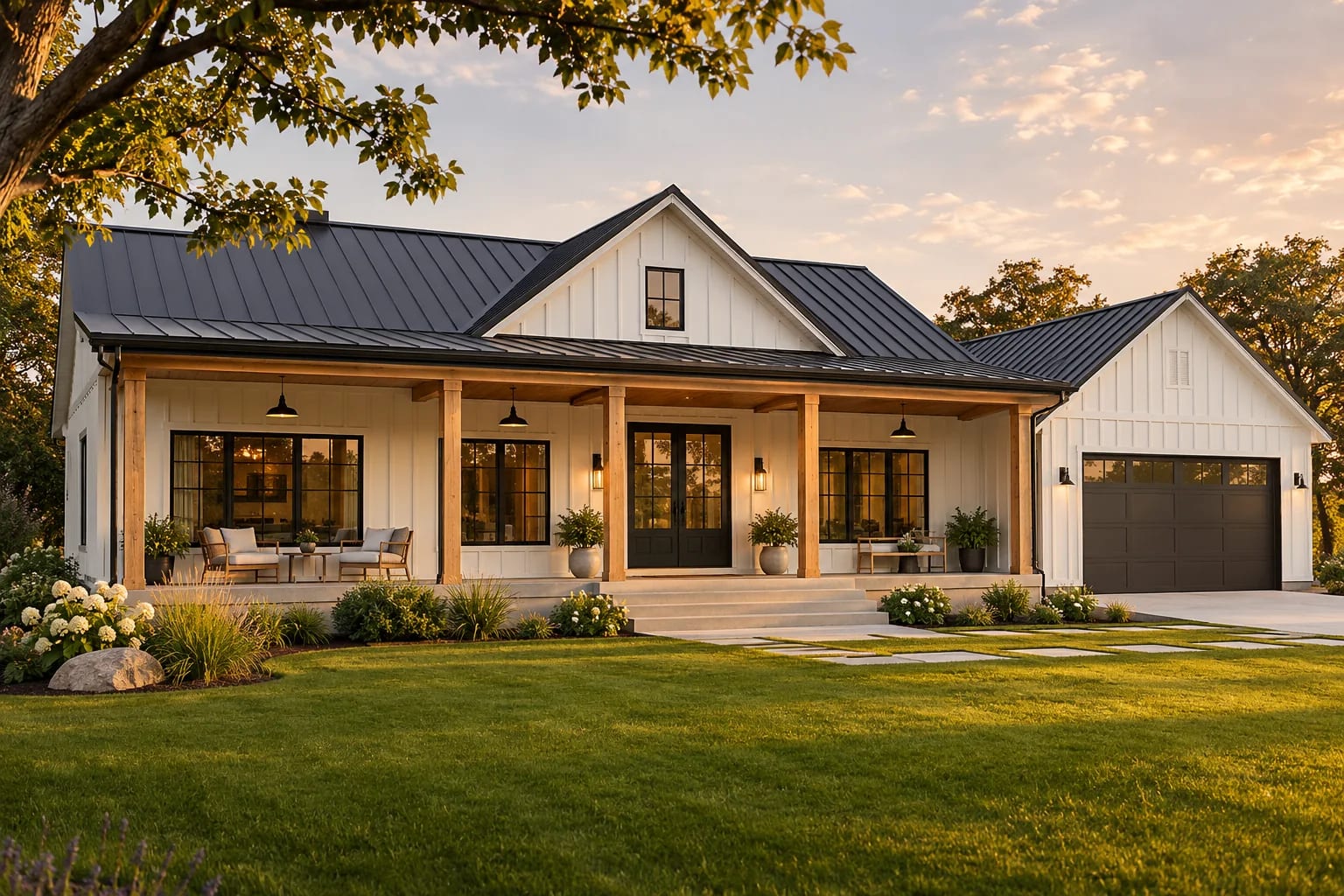
Your builder turns drawings into a real home and manages dozens of trades along the way. A poor choice can cost months and money, so the time you spend choosing is some of the best protection you can buy.
To choose a custom home builder, verify their license and insurance, visit finished and active projects, get comparable bids on the same plans, and sign a clear contract with payments tied to completed work. This guide covers each step, plus how to protect yourself from liens.
Before You Choose a Custom Home Builder: Verify License and Insurance
Start with the paperwork. Licensing rules differ widely by state, so find out what your state requires and check the builder with that agency.
California, for example, lets you check any contractor's license online through the Contractors State License Board. Everywhere, ask for current certificates of general liability and workers' compensation insurance.
See Finished and Active Projects
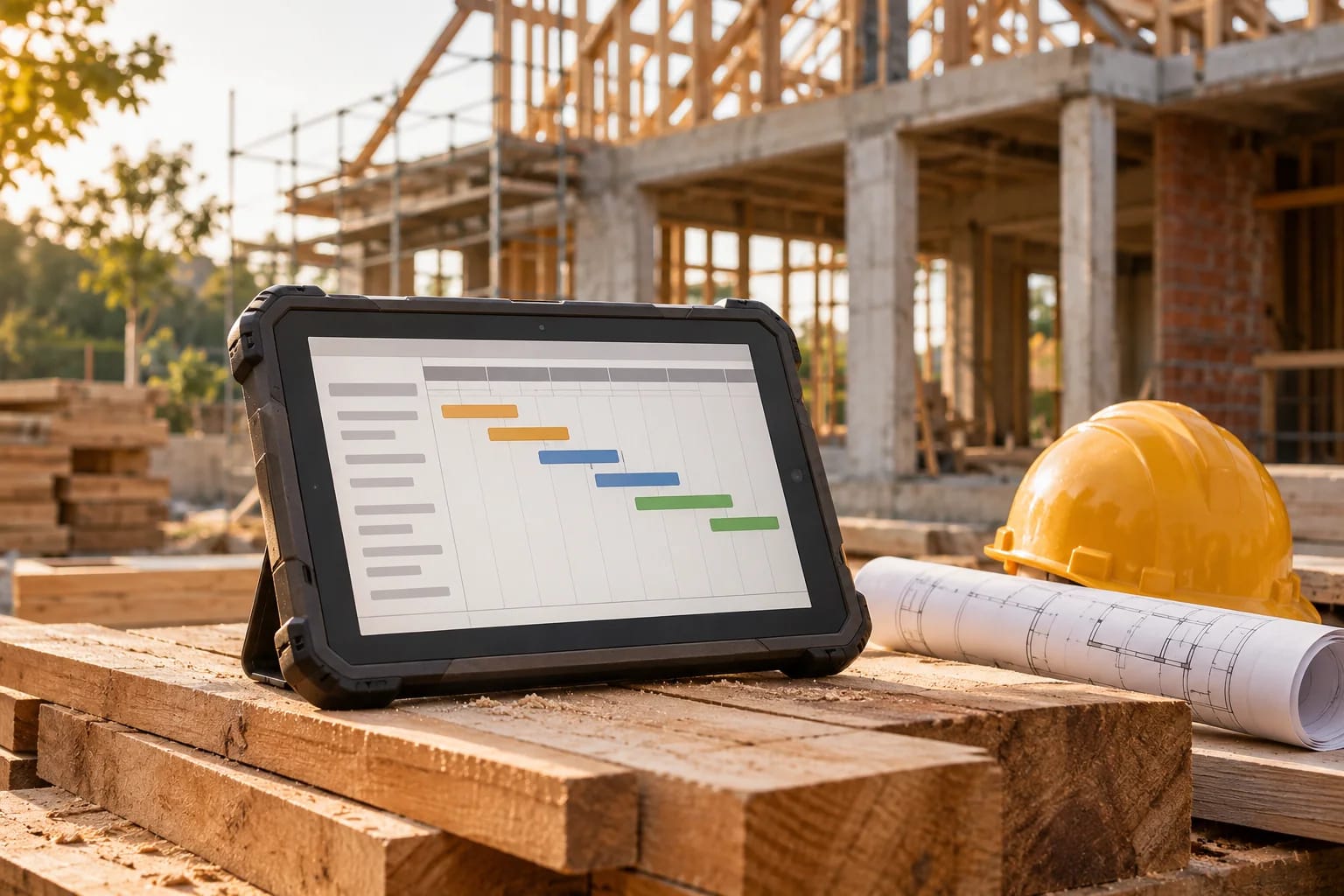
Visit a completed home and a live job site. A tidy, well-organized site says a lot about how the builder runs a project.
Ask past clients how the builder handled delays, changes and problems after move-in, and whether they'd hire them again. If your plans aren't final yet, our guide on how to hire a residential architect can help you get them ready for bidding.
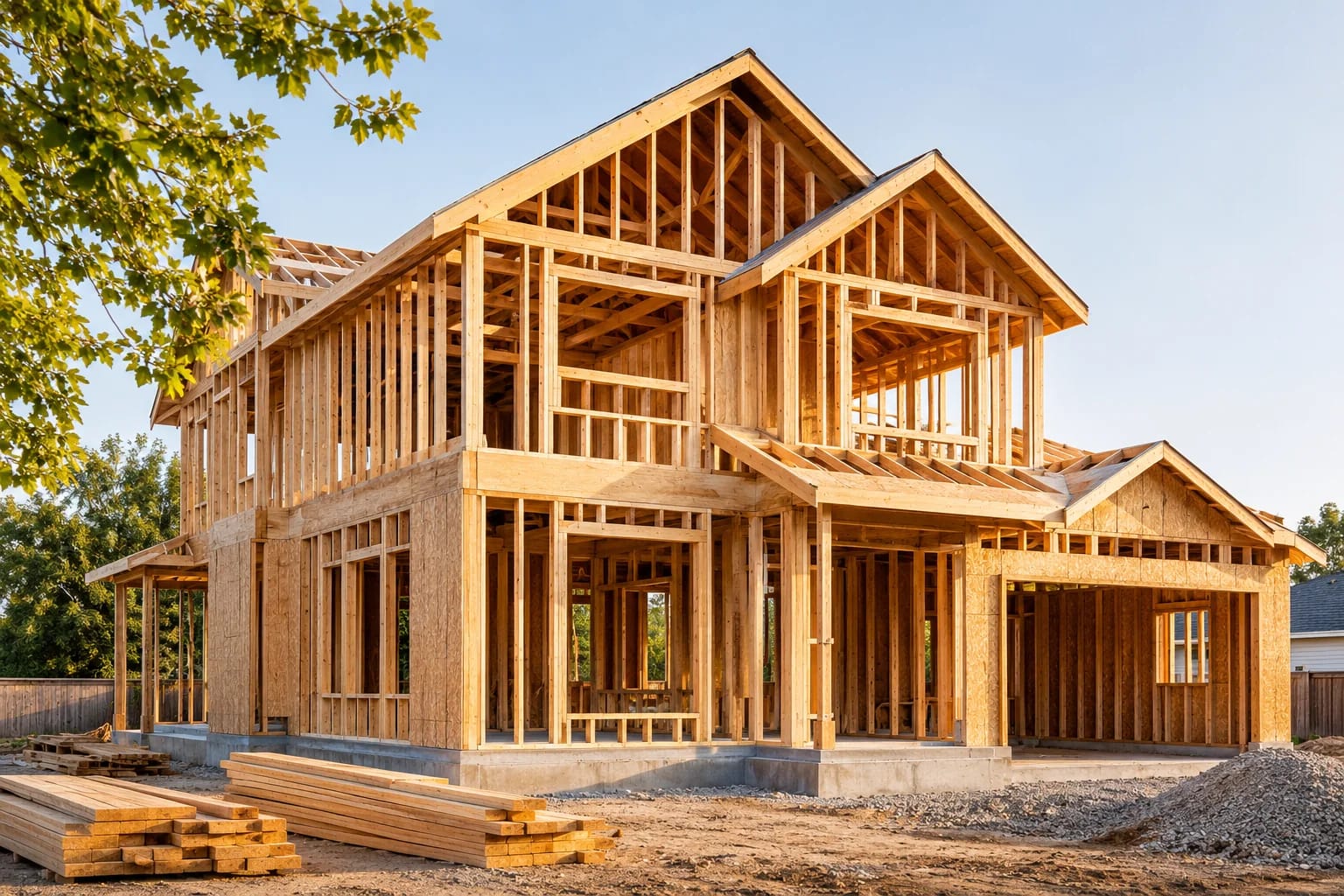
Questions to ask a builder
Ask each builder the same questions:
- How many homes like mine have you built in the last few years?
- Who will supervise my project on site, and how often will they be there?
- How do you handle change orders and price increases?
- What warranty do you offer, in writing?
- Which subcontractors and suppliers will you use?
Compare Bids Line by Line
The lowest bid is often the one with the most left out. Ask every bidder to price the same plans and the same written specification.
Pay close attention to allowances, the budgets set aside for items you'll choose later, such as cabinets, flooring and fixtures. A low allowance makes a bid look cheaper but usually leads to extra charges.

Fixed-Price vs. Cost-Plus Contracts
Both contract types are common. Which one suits you depends on how settled your design is and how much price risk you're willing to take.
| Fixed price | Cost-plus | |
|---|---|---|
| How it works | One agreed price for the defined scope | Actual costs plus a fee or percentage |
| Cost certainty | Higher | Lower |
| Flexibility | Changes need change orders | Easier to adjust as you go |
| Transparency | You see the price, not the costs | You see invoices and costs |
| Best when | Plans and specs are complete | Design is still evolving |
What every contract should include
Whichever type you choose, make sure the contract has a schedule, a written change-order process, the warranty terms and a payment schedule tied to completed work. In California, for example, a home improvement down payment can't exceed $1,000 or 10% of the contract price, whichever is less (CSLB). Rules differ by state, so ask your attorney.
Protect Yourself Against Liens
Unpaid subcontractors and suppliers may be able to file a mechanics lien against your home, even if you've paid your builder. Lien releases prevent this.
California's contractor board recommends getting a signed conditional release from possible lien claimants before each payment, and an unconditional release after it. Paying with a joint check to the builder and a subcontractor is another way to make sure they're paid. Your lender or title company can explain the process in your state.
Track who's owed
Keep a list of subcontractors and suppliers, including any preliminary notices you receive.
Conditional release
Before paying, collect signed conditional releases from possible lien claimants.
Pay
Pay for completed work, using a joint check when a subcontractor or supplier is due.
Unconditional release
After payment clears, collect unconditional releases from each claimant paid.
Repeat
Hold the next payment until the previous releases are in hand.
Common mistakes to avoid
Watch for these:
- Choosing on price alone without comparing what each bid includes.
- Paying far ahead of completed work.
- Accepting verbal promises about changes or warranty.
- Skipping lien releases on progress payments.
Any paid link in this article is labeled Sponsored. Learn how we work with partners.
Common Questions
How do I find a good custom home builder?
Ask architects, lenders and recent homeowners for names, then visit finished homes and active job sites. Check each builder's license with your state agency, ask for insurance certificates, and speak with past clients about delays, changes and warranty service.
How many builder bids should I get?
Two or three comparable bids is a common approach. Make sure each builder prices the same plans and written specification, so the differences reflect price and approach rather than what's included.
What is an allowance in a builder's bid?
It's a budget set aside for items you'll choose later, such as cabinets, flooring, lighting or plumbing fixtures. If your choices cost more than the allowance, you pay the difference, so check that allowances are realistic for the finishes you want.
Is a fixed-price or cost-plus contract better?
Fixed-price gives more cost certainty when plans and specifications are complete. Cost-plus offers flexibility and transparency when the design is still evolving, but the final cost is less certain. Some builders offer cost-plus with a guaranteed maximum price.
What is a lien waiver?
It's a signed document in which a contractor, subcontractor or supplier gives up the right to file a lien for the amount paid. Collect one from the builder and major subcontractors and suppliers with each payment.
Should my architect help choose the builder?
It often helps. An architect can prepare bid documents, answer bidders' questions and help you compare proposals. Our guide on how to hire a residential architect explains what services to ask for.
Building With the Right Partner
A good builder is verified, experienced with homes like yours and clear about price, schedule and changes. Compare bids on identical plans, choose the contract that fits how settled your design is, and protect every payment with lien releases.
If you're still arranging finance, read how construction loans work before you sign.
How construction loans workSources
Plans Mentioned Here
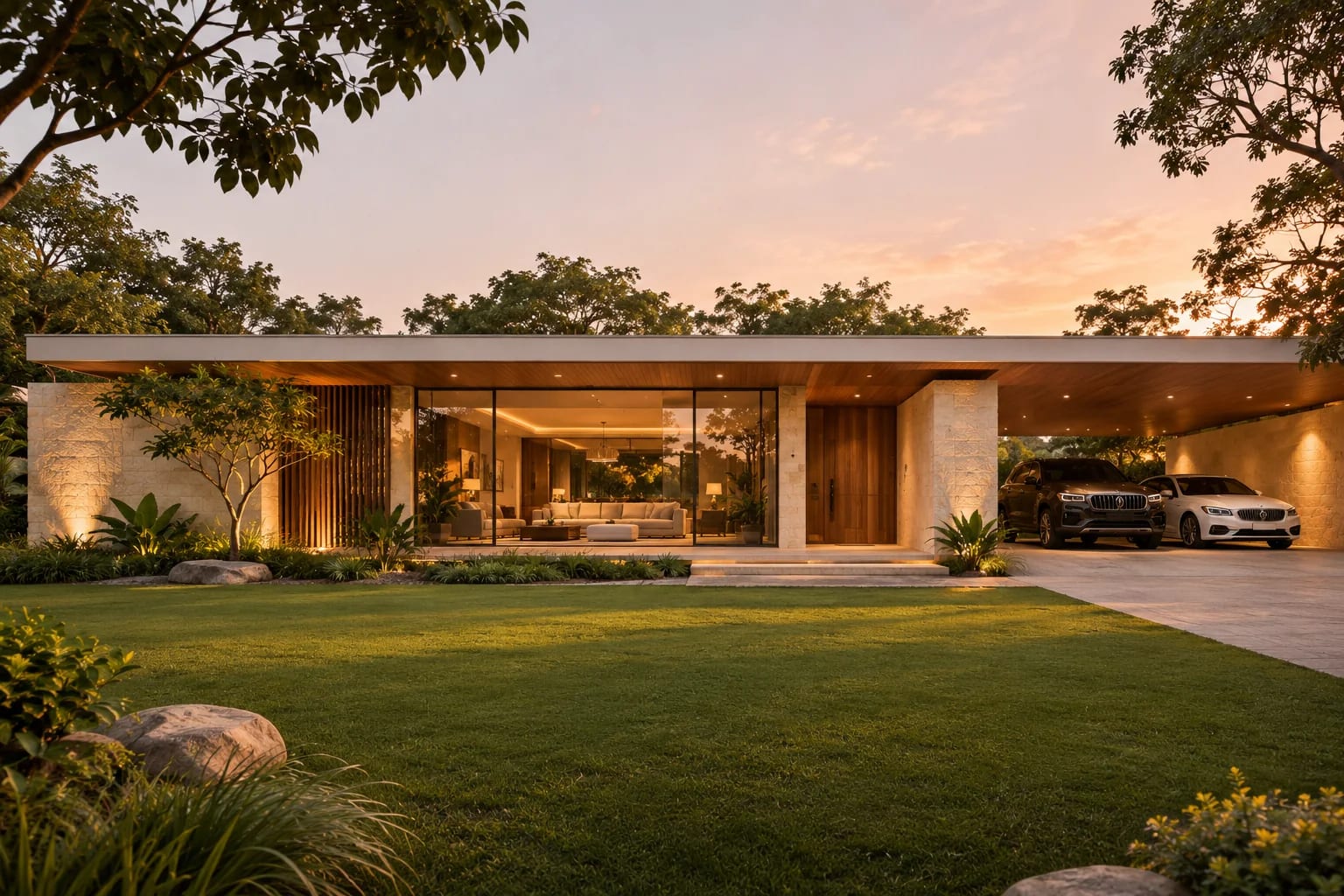
Modern 3-Bedroom Ranch
2,400 sq. ft. · 3 beds · Single story
Modern Farmhouse with Home Office
2,652 sq. ft. · 3 beds · Single story