AI in Structural Design: What It Can and Can't Do

By Hudson GrayLast reviewed
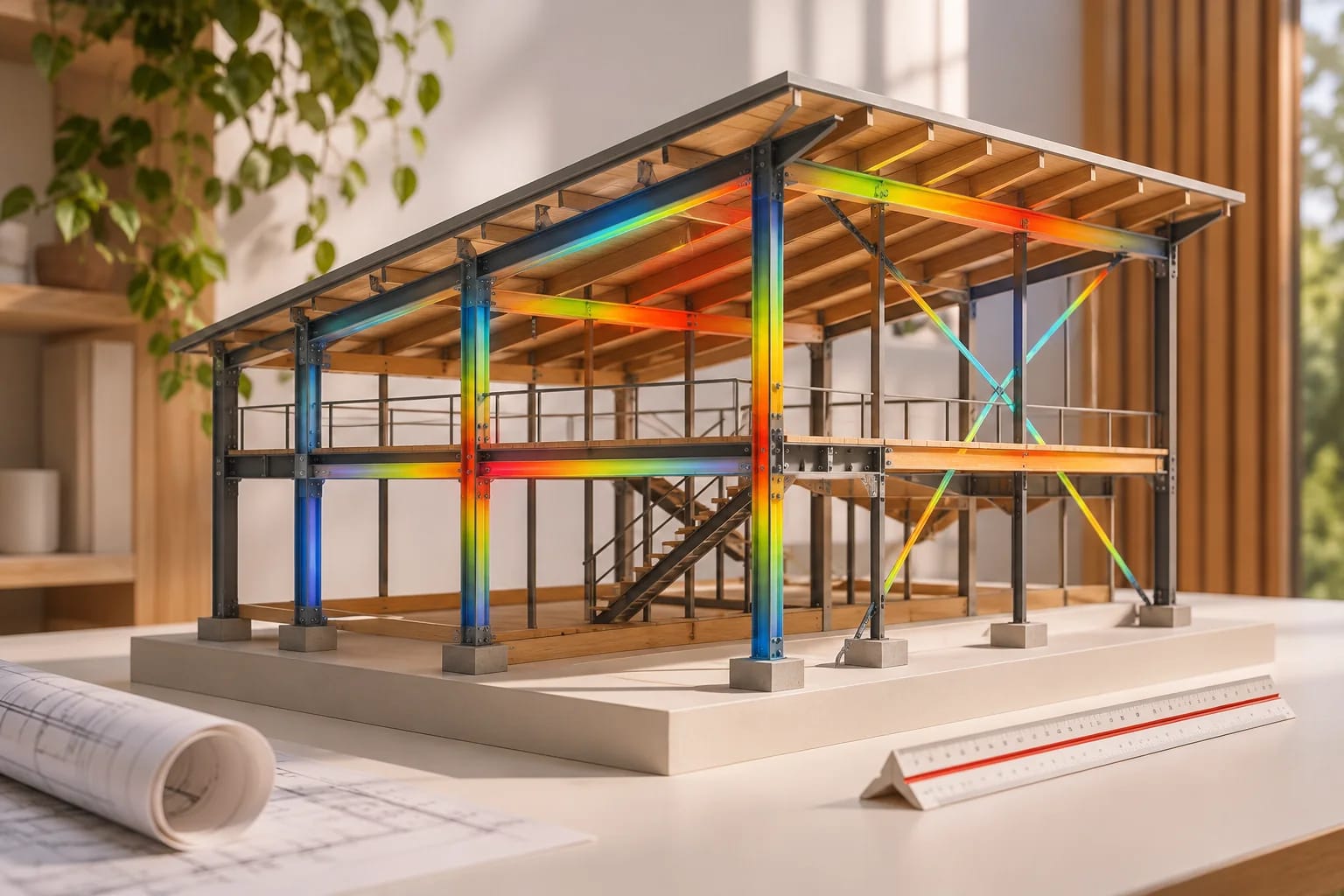
Structure is where AI's limits matter most, because a confident wrong answer can put people at risk. AI in structural design has real promise as an engineer's assistant, but it shouldn't be used to decide whether a wall can come out. Here's what it can help with, what it can't do, and how homeowners can use it safely.
Where AI may help engineers
Research groups are working on AI for form-finding, topology optimization and fast estimates of structural behavior. In practice, engineers may also use general AI assistants to summarize documents or draft scripts, while checking the results themselves.
What a chatbot can't do
A general AI assistant doesn't know your soil, loads, existing structure or local code edition. It can also invent code clauses that sound right. Use it to learn the questions to ask, and not as a source of answers.

A safe way for homeowners to use it
It's fine to ask AI to explain a term in your engineer's report, or to list questions to ask before removing a wall. It's not fine to rely on it for sizing, or to skip a permit because a chatbot said you could.
I'm planning to remove a wall between my kitchen and living room.
What should I ask a structural engineer, and what might they need to see?
Don't size any beams or tell me whether it's safe.
The tools engineers actually rely on
Real analysis uses dedicated structural software with checked methods, under a licensed engineer's judgment. Any AI output in that process needs the same checking as a junior engineer's work.
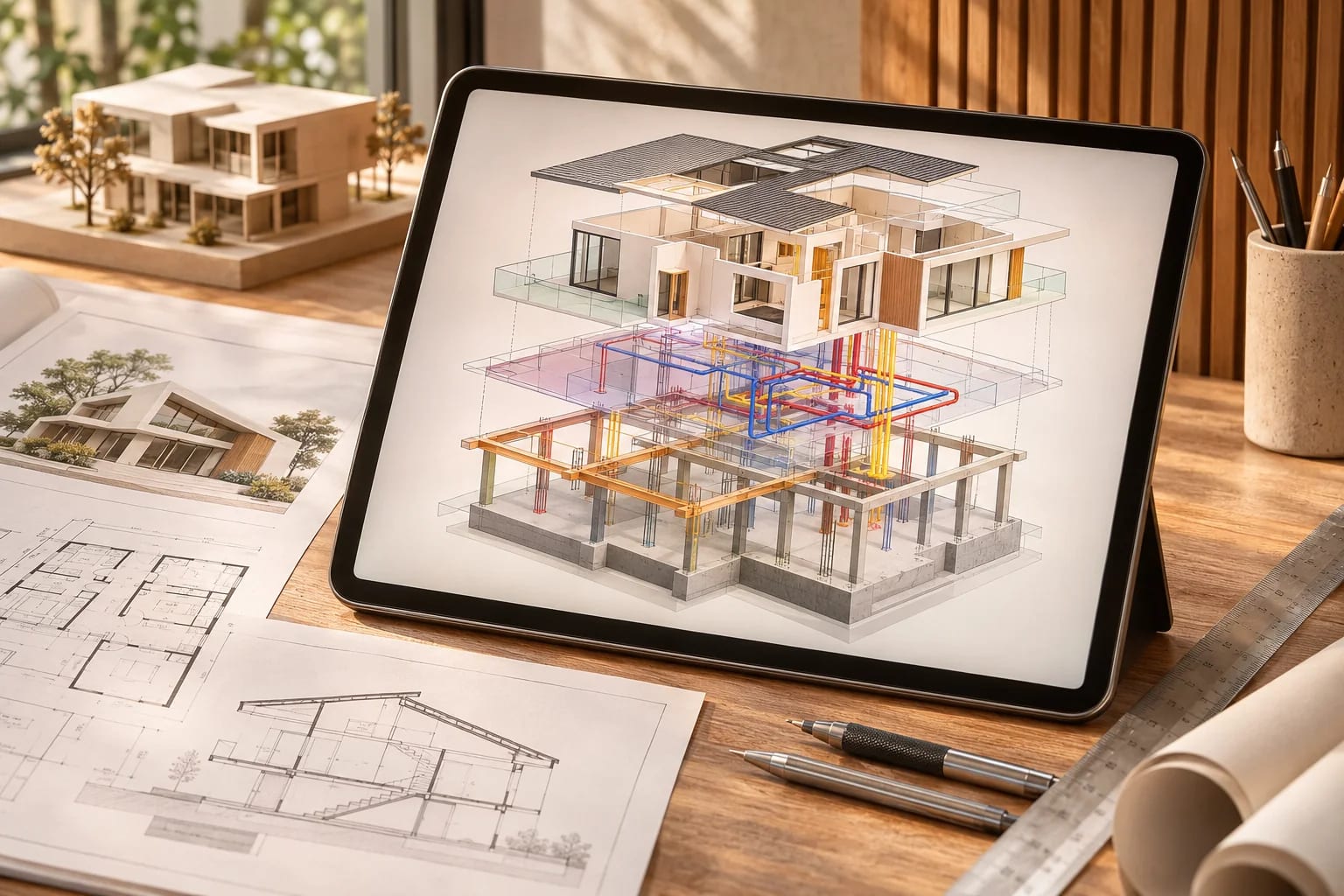
Safe and Unsafe Uses of AI in Structural Design
A simple rule: AI can help you understand, but not decide.
| Fine to ask AI | Ask a licensed engineer |
|---|---|
| Explain a term in your engineer's report | Whether a wall is load-bearing |
| List questions to ask before a remodel | Beam or header sizes |
| Summarize how a structural system works | Foundation design for your soil |
| Compare design options at a high level | Anything that will be built or permitted |
Common Questions
Can AI size a beam for my house?
Don't rely on it. Beam sizing depends on loads and conditions AI can't see. Ask a licensed engineer.
Is there free AI for structural engineering?
General assistants are available free, and they can help you learn, but we don't recommend relying on them for real structural design. Professional work requires checked software and a licensed engineer.
Will AI replace structural engineers?
It's more likely to change how they work, by speeding up option studies and routine checks. Engineers remain responsible for safety, codes and sealed designs.
Can AI tell if a wall is load-bearing?
No. Whether a wall carries load depends on framing, spans and loads above that AI can't see from a photo or description. Have a licensed engineer or qualified professional inspect it.
What software do structural engineers use?
Dedicated analysis tools such as ETABS, SAP2000, RISA and STAAD, with checked methods. See our structural analysis software guide.
Keep Engineers in Charge
AI in structural design is a promising research and productivity tool, but real structural decisions belong to licensed engineers using checked software. Use AI to learn and prepare questions, never to size members or approve changes.
Planning a project? Find out which professionals you need.
Architect vs. designer vs. drafterHow we made this guide
This guide reflects general practice and may not match every software version, so check against your own. We leave out prices because they change often, so please confirm pricing, features and license terms with the vendor. Product names belong to their owners. Suggest a correction or a product, or learn about labeled sponsorships.