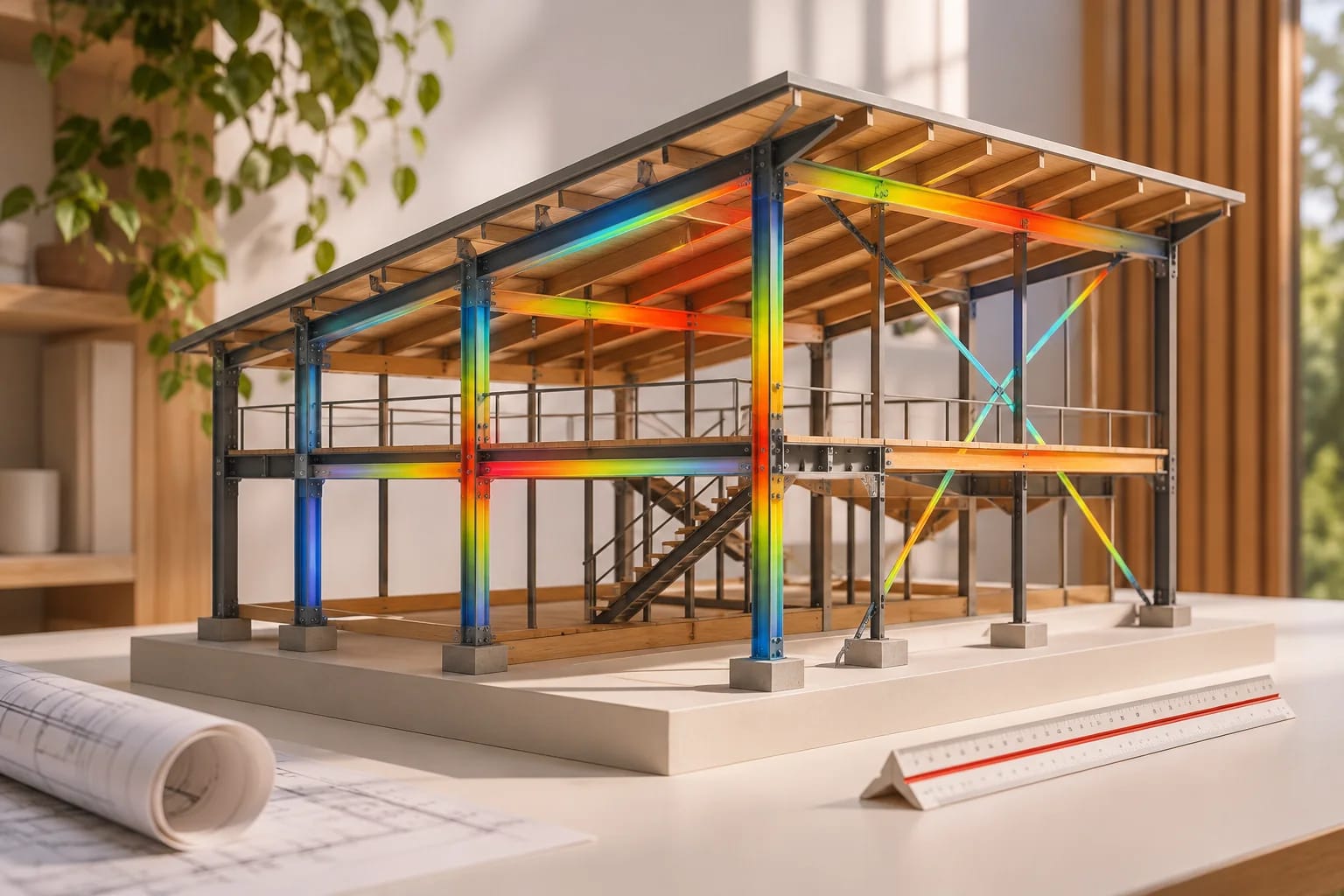
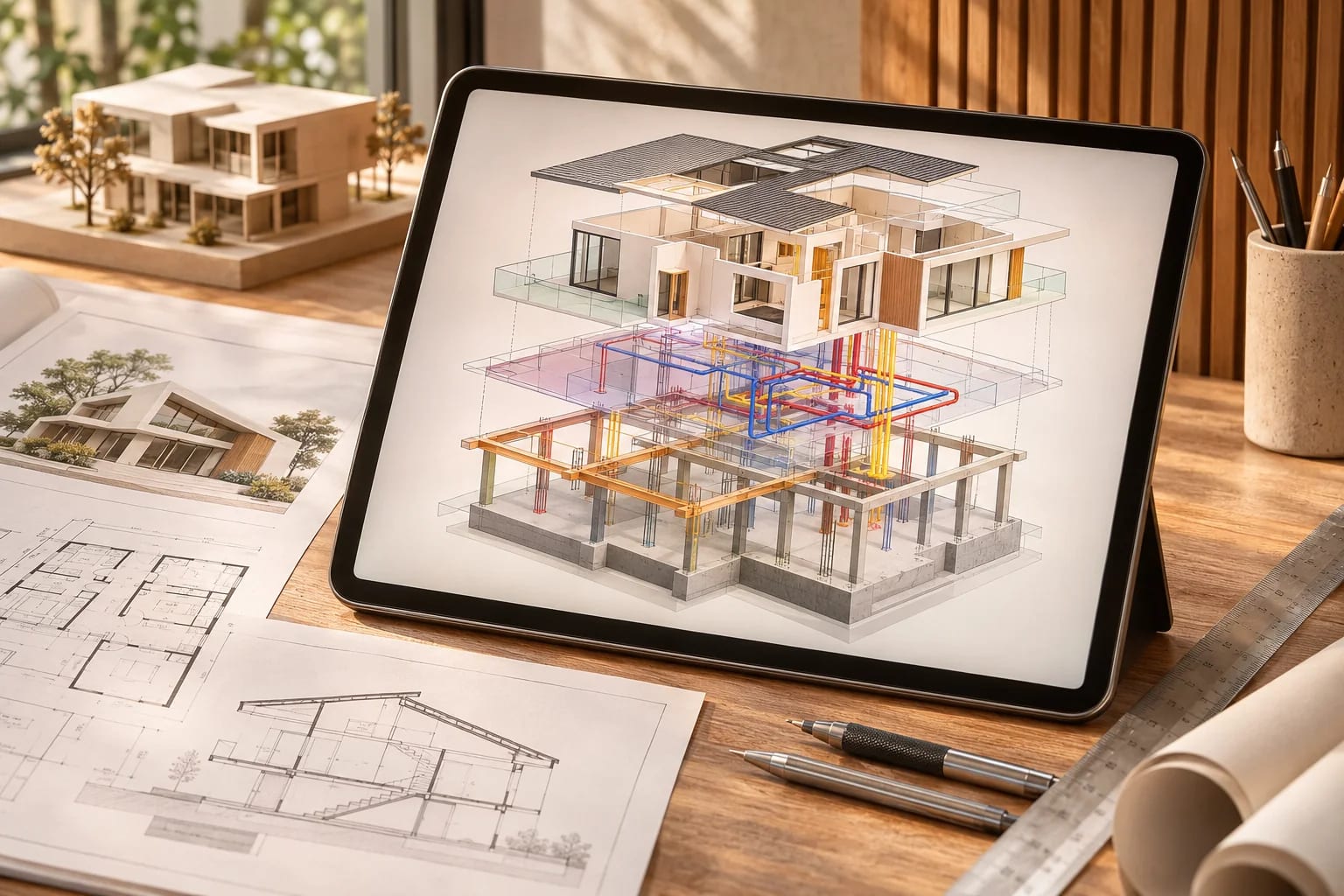
Best Energy Modeling Software for Buildings and Homes

By Hudson GrayLast reviewed
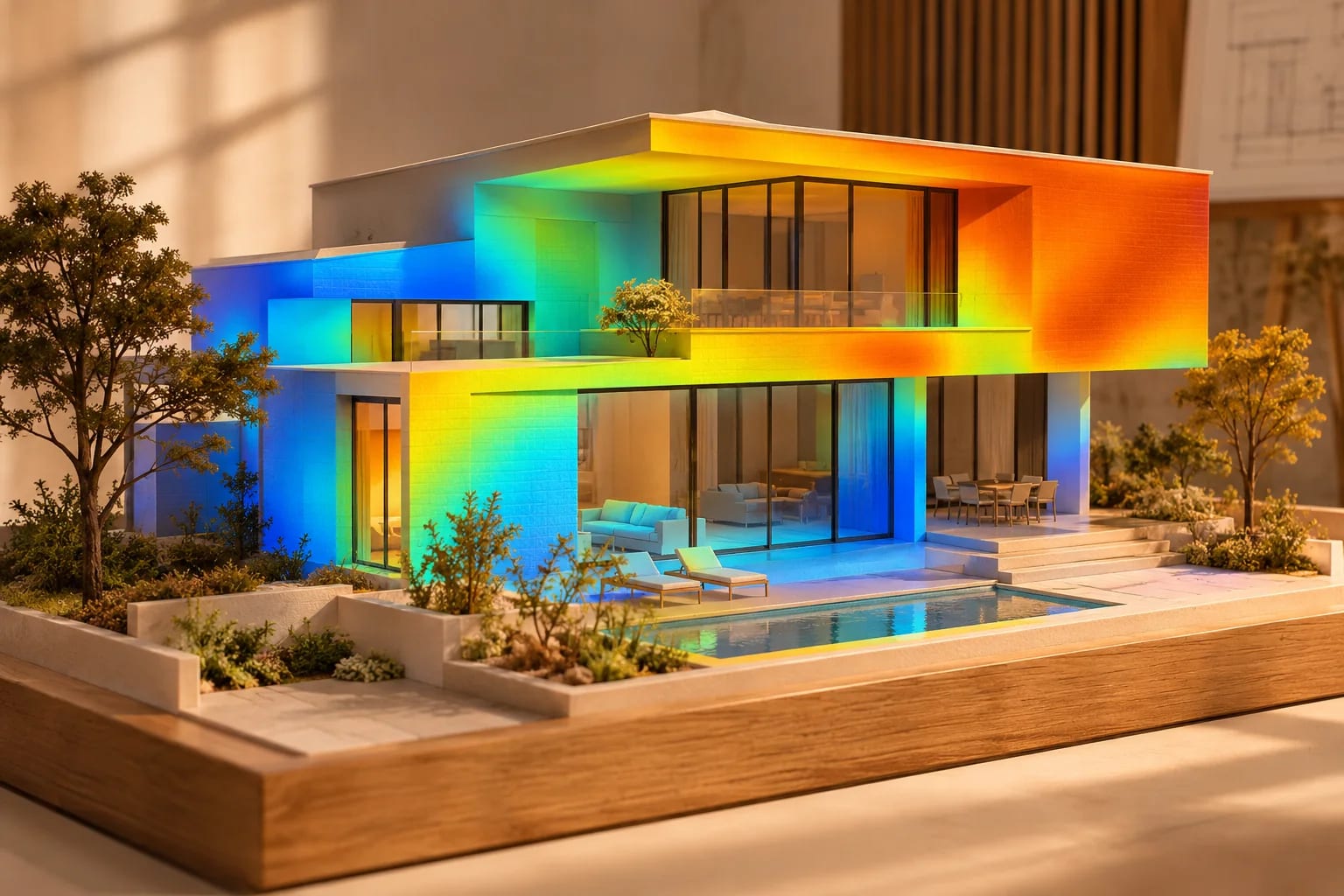
Energy modeling estimates how a building will use energy before it's built, which is when changes to orientation, glazing and insulation are cheapest. Different energy modeling software suits quick early decisions, detailed engineering studies or residential ratings. Here's how the main tools compare.
Our Picks
1. EnergyPlus
Best for: A free, detailed simulation engine
Open-source whole-building simulation that many other tools build on.
Watch out: It's not designed for casual use, and it's easier through a graphical front end.
Free and open source
2. OpenStudio
Best for: A graphical workflow around EnergyPlus
A collection of tools that makes it easier to work with EnergyPlus.
Watch out: You still need energy modeling knowledge.
Free and open source
3. IES VE
Best for: Integrated performance analysis
A professional suite covering energy, airflow and comfort.
Watch out: It takes training, and suits dedicated consultants.
Paid
4. DesignBuilder
Best for: 3D modeling on top of EnergyPlus
A visual interface for building energy simulation.
Watch out: Check which modules your project needs.
Paid
5. Ladybug Tools
Best for: Climate and environmental analysis in Rhino
Free tools for designers working with climate data and performance studies.
Watch out: It helps to know Grasshopper first.
Free and open source
6. Sefaira
Best for: Early design feedback for SketchUp and Revit users
Performance analysis aimed at architects during design.
Watch out: It's best for early comparisons, not code submission.
Paid
7. Ekotrope
Best for: Residential energy ratings
Software for residential energy rating and compliance work.
Watch out: It's aimed at raters and builders, not homeowners.
Paid


Know what you need it for
A quick massing comparison, a code submission and a detailed HVAC study are very different jobs. Ask your local building department or rater what's accepted, as energy codes differ by state. California, for example, has its own Title 24 requirements.
Models estimate, they don't promise
Actual energy use depends on how people live in a home, along with weather and how well it's built. Treat the results as a way to compare options rather than a predicted utility bill.

Start with good design
Orientation, shading and airtightness are often the cheapest wins. Read what makes a good plan for a hot climate.
Energy Modeling Software by Job
Match the tool to the decision you're making:
| Job | Typical tools |
|---|---|
| Early massing and orientation studies | Sefaira, Ladybug Tools; pair with good window choices |
| Detailed whole-building simulation | EnergyPlus, OpenStudio, IES VE, DesignBuilder |
| Residential ratings (HERS) | Specialist rating software such as Ekotrope |

What a HERS score means
The HERS Index from RESNET rates a home's energy efficiency: the lower the number, the more efficient the home, and a home built to 2006 energy standards scores 100. Many builders and buyers use it to compare new homes.
Common Questions
What software is used for energy modeling?
Common tools include EnergyPlus, OpenStudio, IES VE and DesignBuilder. Residential raters often use specialist tools.
Is there free energy modeling software?
Yes. EnergyPlus, OpenStudio and Ladybug Tools are free and open source, though they take expertise.
What is a good HERS score?
Lower is better. A home built to 2006 energy standards scores 100, so a lower score means a more efficient home. Ask your rater how a score compares with local code requirements.
Do I need energy modeling for a new house?
Not always. Some code paths and programs require it, and it's useful for testing orientation, glazing and insulation early. Ask your building department or a RESNET rater.
Is EnergyPlus hard to use?
It's a powerful engine without a full design interface, so most people use it through front ends such as OpenStudio or DesignBuilder. Expect a learning curve.
Modeling Energy Early
Use energy modeling software early, when orientation, glazing and insulation are cheap to change. Pick quick tools for massing studies, detailed engines for engineering, and rating software for HERS scores, and treat results as comparisons rather than promises.
Designing for heat? These plan choices cut cooling demand.
House plans for hot climatesHow we made this guide
Order reflects our editorial judgment of fit for the job described, not a measured score. It's based on vendor documentation and public information. We haven't run hands-on benchmarks. We leave out prices because they change often, so please confirm pricing, features and license terms with the vendor. Product names belong to their owners. Suggest a correction or a product, or learn about labeled sponsorships.