Products
Metal Roof vs. Asphalt Shingles: Which Is Best for Your Climate?

By Hudson GrayUpdated
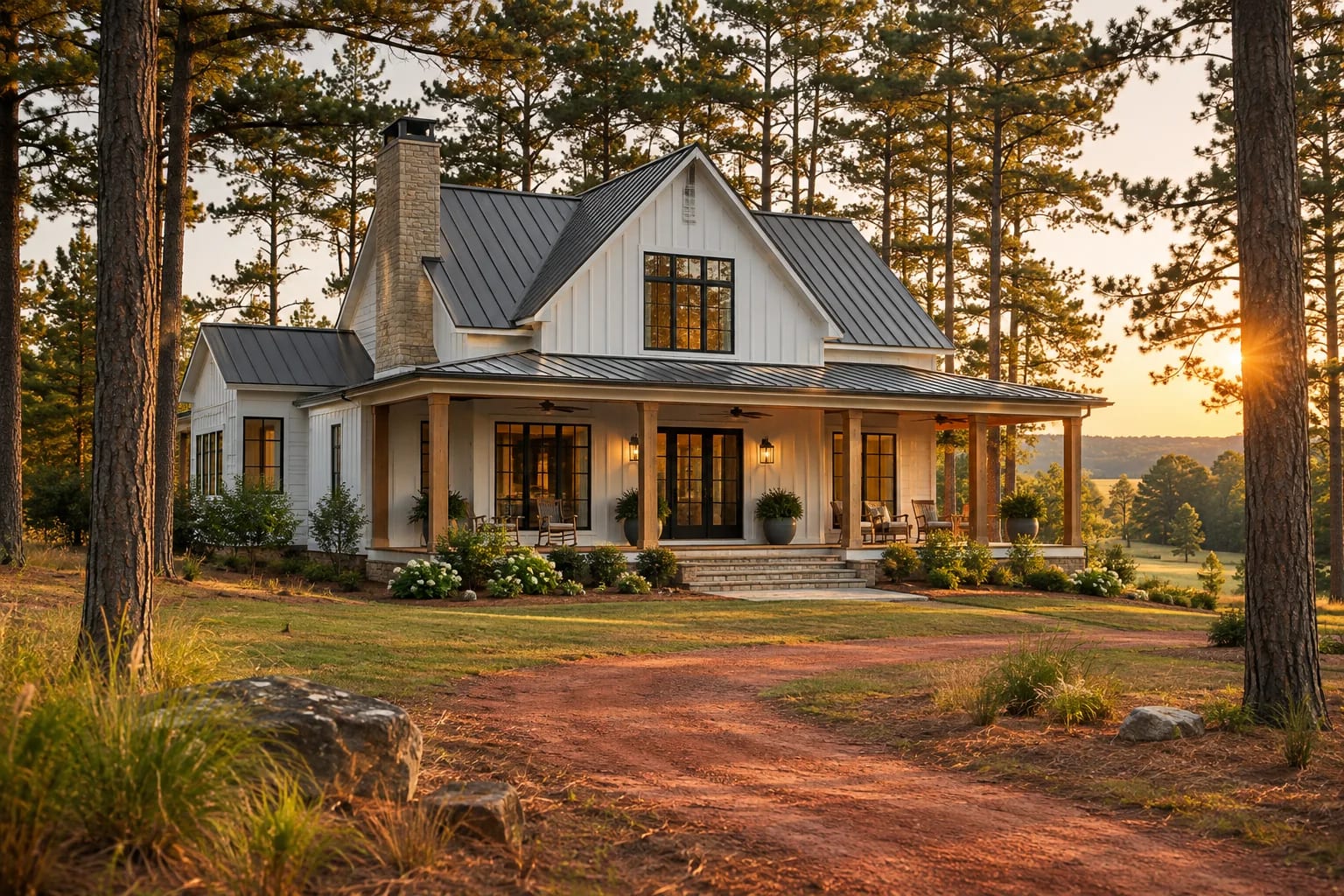
The roof is one of the most visible choices on a new home and the one most exposed to the weather. Most U.S. homeowners end up comparing two options: asphalt shingles and standing-seam metal.
In the metal roof vs. shingles decision, shingles win on upfront cost and traditional looks, while metal wins on lifespan and a modern look. In hail, wind and heat, the specific product rating and installation matter more than the material. Here's how they compare in each climate.
Metal Roof vs. Shingles at a Glance
Both can be excellent roofs. This table summarizes where each tends to win.
| Factor | Asphalt shingles | Standing-seam metal |
|---|---|---|
| Upfront cost | Lower | Higher |
| Lifespan | Shorter | Often longer |
| Hail | Class 4 products available | Class 4 products available; may dent without leaking |
| Wind | High-wind-rated products available | Strong when properly attached |
| Heat | Cool, reflective shingles available | Reflective coatings and light colors widely available |
| Style | Suits traditional homes | Signature of modern farmhouses |
Cost and Lifespan
Asphalt shingles usually cost less to install, while metal typically costs more up front but often lasts longer. The better value depends on how long you'll own the home.
Prices vary widely by region and roof shape, so get local quotes for both, and compare manufacturer and installer warranties side by side.
Hail: Look for Class 4
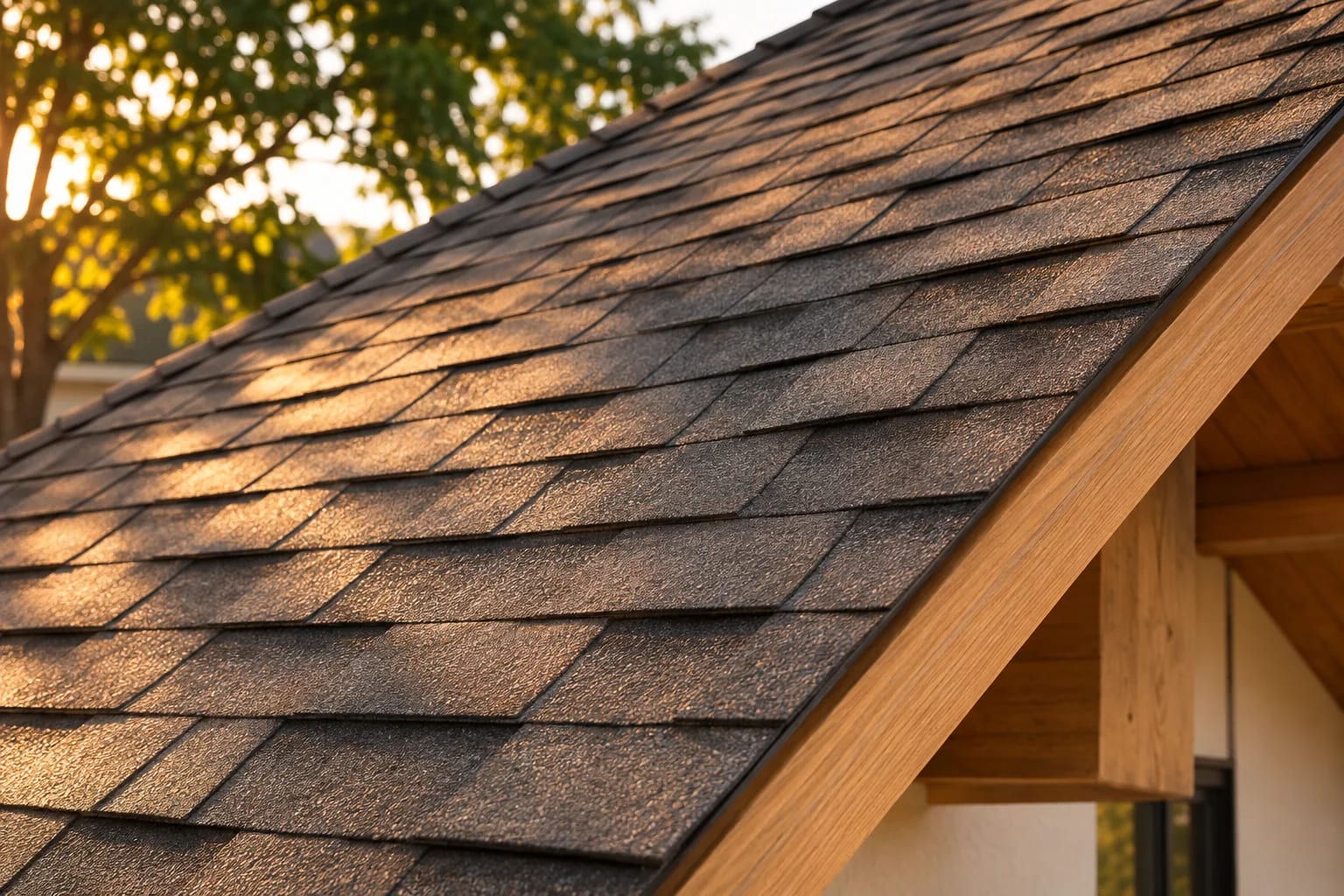
In hail-prone areas such as Dallas–Fort Worth and Denver, choose products rated for impact resistance. Under the UL 2218 standard, roofing is classified from Class 1 to Class 4, and Class 4 is the most resistant.
In Texas, insurers set their own discounts, but a Class 4 roof covering receives the highest premium credit, according to the Texas Department of Insurance. Metal may dent without leaking, so read how each warranty and insurance policy treats cosmetic damage.
Wind: Attachment Matters Most
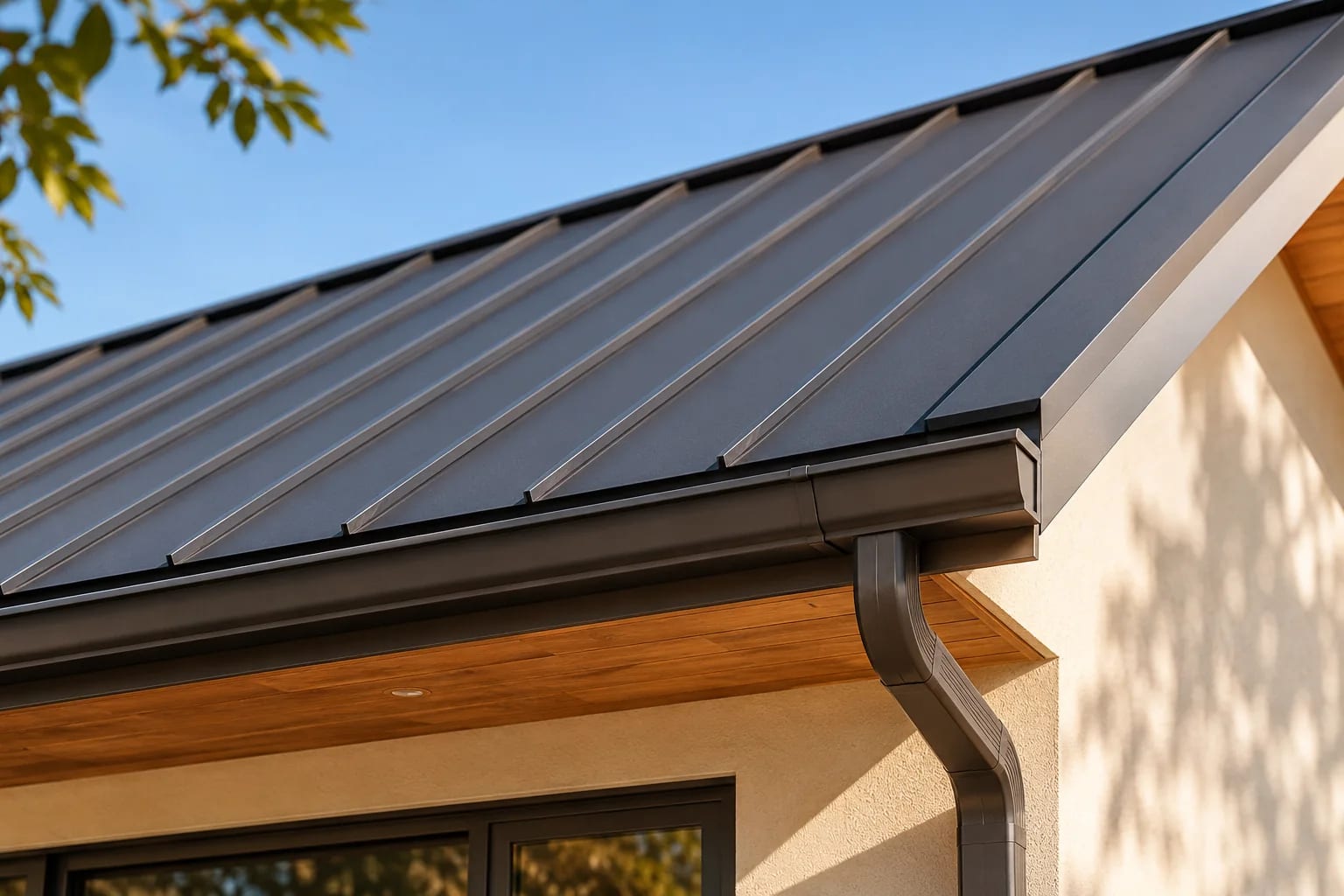
Properly installed metal and high-wind-rated shingles can both perform well. How the roof deck and covering are attached matters more than the material on top.
The Insurance Institute for Business & Home Safety's FORTIFIED Roof standard works with shingles, metal or tile. It calls for a sealed roof deck and ring-shank nails in an enhanced pattern, which IBHS says nearly doubles the roof's resistance to wind. In coastal areas, make sure the whole system is approved for your local wind requirements.
Heat: Choose a Cool Roof
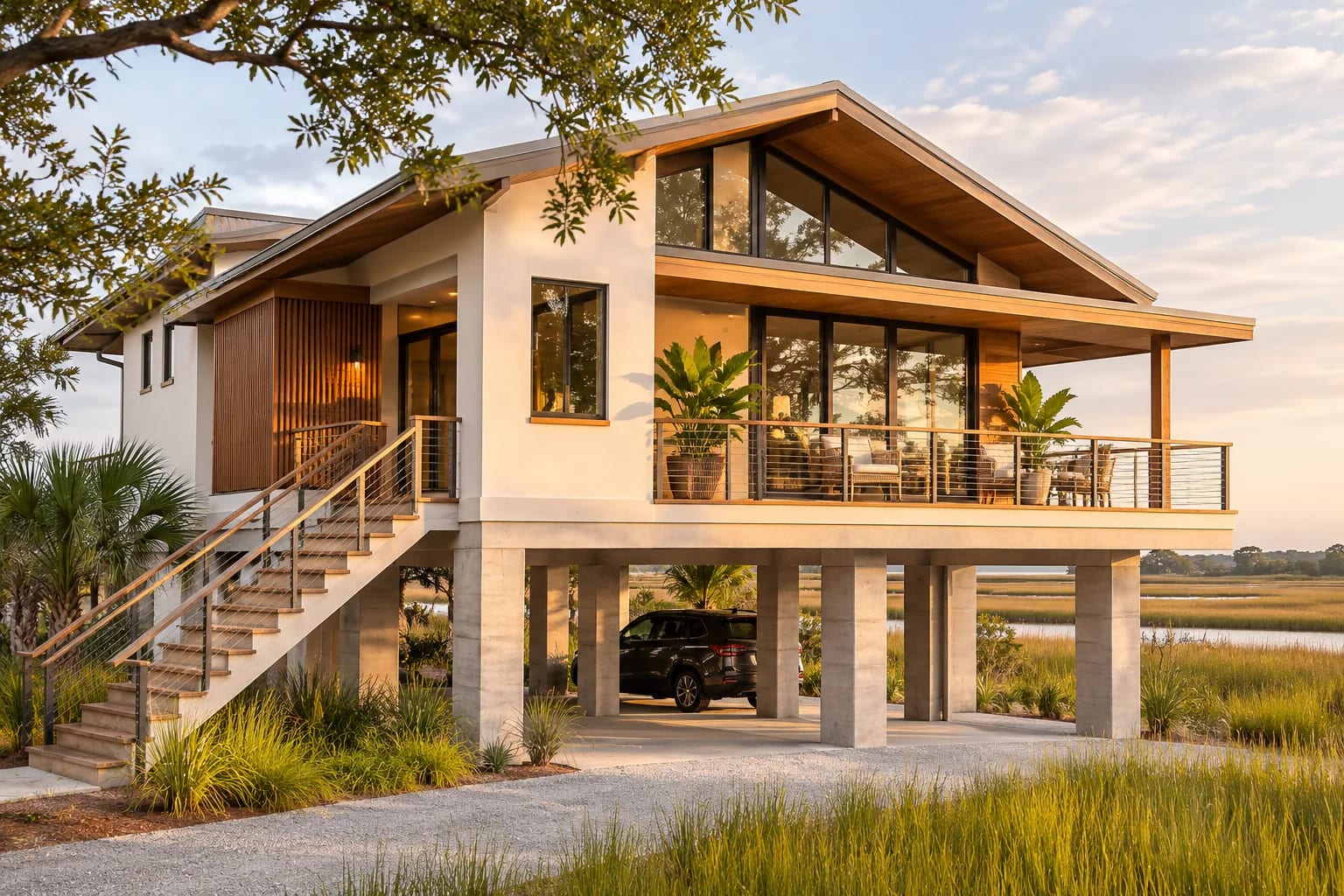
In hot climates, the roof's color and coating matter more than the material. Light, reflective roofs absorb less of the sun's heat.
ENERGY STAR describes an ideal cool roof as one with high solar reflectance and high thermal emittance. In air-conditioned homes, a cool roof can cut peak cooling demand by 11–27%, according to the EPA. Pair either roof with good attic insulation.
Style, HOA rules and noise
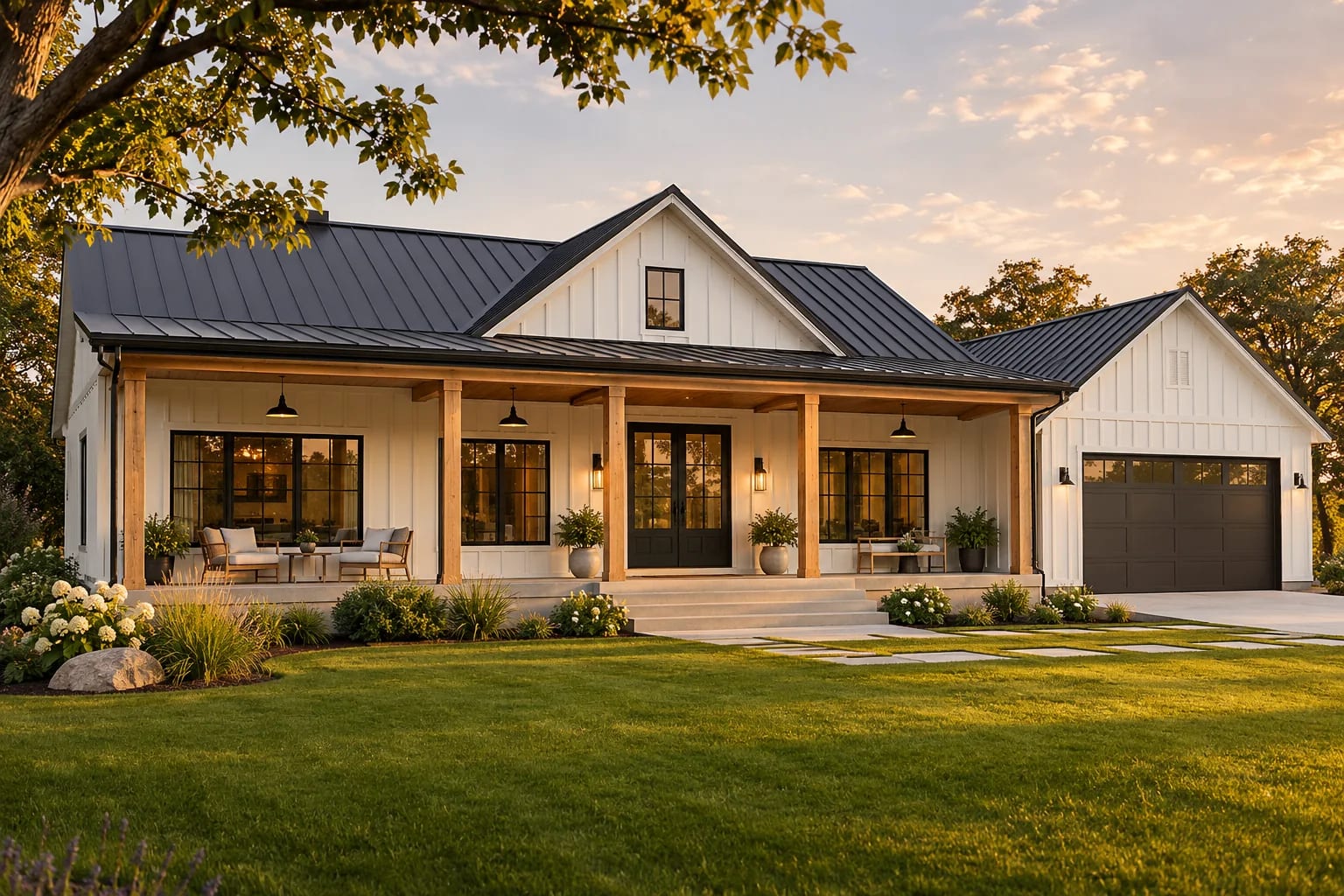
Standing-seam metal is a signature of the modern farmhouse, while shingles suit many traditional homes. Check HOA rules before you choose, since some communities limit roof materials and colors. Over solid decking and insulation, most homeowners find rain on a metal roof only modestly louder.
Common mistakes to avoid
Watch for these:
- Comparing quotes that use different underlayment, flashing or attachment details.
- Assuming any metal roof is hail-proof without checking its impact class.
- Choosing a dark roof in a hot climate without insulation beneath it.
- Skipping the label and paperwork your insurer needs to give a discount.
Any paid link in this article is labeled Sponsored. Learn how we work with partners.
Common Questions
Is a metal roof better than shingles?
Not always. Metal usually lasts longer and suits modern designs, while shingles cost less and suit traditional homes. In hail and wind, the product's rating and the installation matter more than the material. Choose based on budget, how long you'll stay, climate and style.
What does Class 4 mean for a roof?
It's the highest impact-resistance class under the UL 2218 standard, which classifies roofing from Class 1 to Class 4. In Texas, a Class 4 roof covering receives the highest insurance premium credit, though each insurer sets its own discount.
Does a metal roof make a house hotter?
Not usually. Light-colored or coated metal can reflect a lot of solar heat. What matters most is the roof's solar reflectance and thermal emittance, plus attic insulation and ventilation.
Are metal roofs noisy in the rain?
Over solid decking with insulation, most homeowners find the sound modest. Ask your roofer about the specific assembly they plan to use.
Can I get an insurance discount for a hail-resistant roof?
Often, in hail-prone states. Discounts are set by each insurer, and they usually require labeled, impact-rated products and installation paperwork. Ask your insurer before you buy which ratings and documents it accepts.
What is a FORTIFIED roof?
It's a construction standard from the Insurance Institute for Business & Home Safety, designed to keep wind and rain out in severe weather. It works with shingles, metal or tile and includes a sealed roof deck and ring-shank nails.
Choosing Your Roof
If you plan to stay for decades and want a modern look, metal is often worth pricing. If your budget is tight or your neighborhood favors a traditional look, quality architectural shingles remain a sensible choice. Either way, choose Class 4 in hail country, attach it to a high-wind standard on the coast, and go light-colored in the heat.
See how different roofs look on real homes before you decide.
Browse modern farmhouse and other plansSources
Plans Mentioned Here
Modern Farmhouse with Home Office
2,652 sq. ft. · 3 beds · Single story
Keep Reading
 Building Guide
How Construction Loans Work When You're Building a Home
 Architecture
10 Modern Villa Designs for a Luxurious Lifestyle
 Interior Design