Products
Impact Windows and Doors: A Homeowner's Guide for Hurricane Zones

By Hudson GrayUpdated
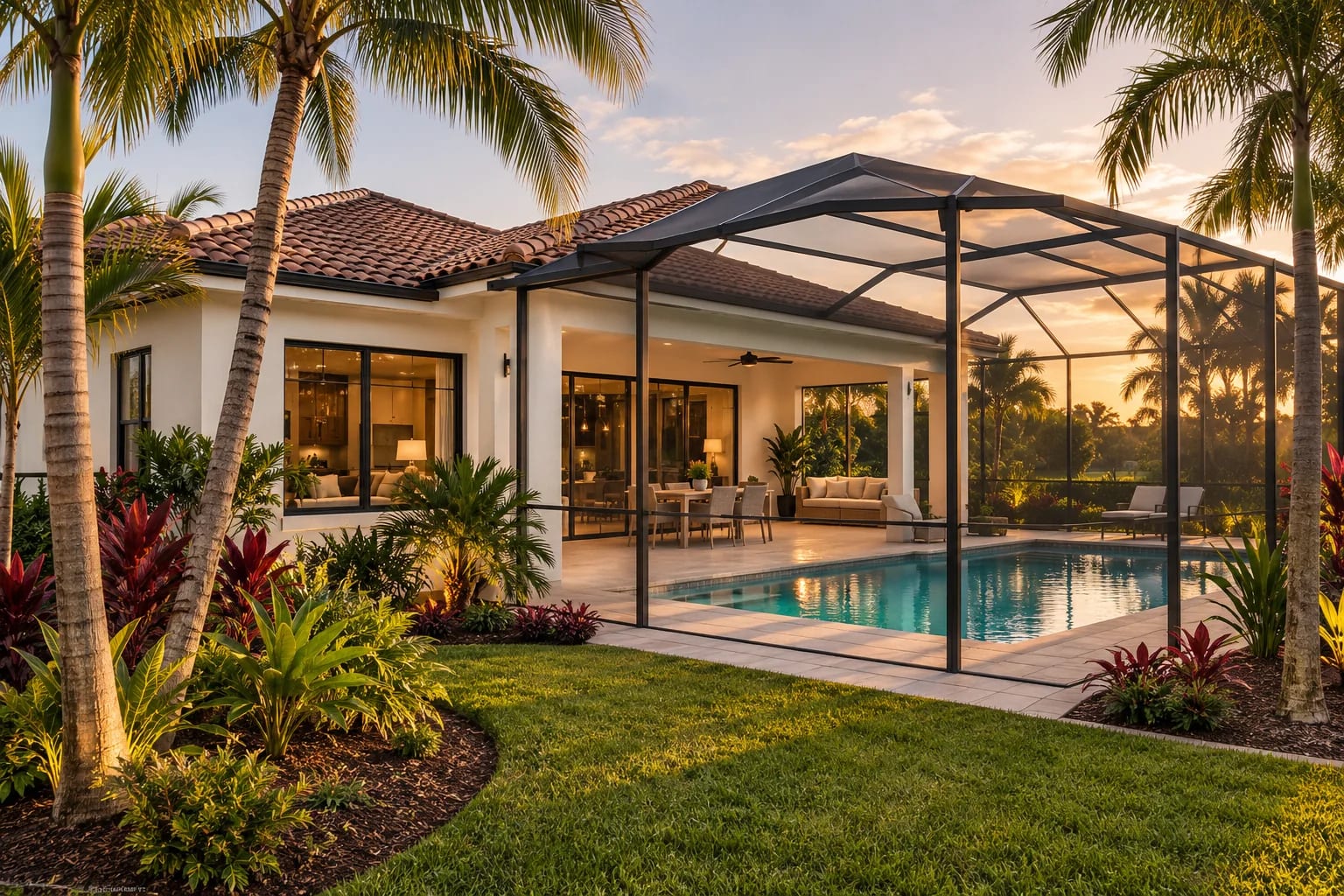
In a hurricane, one broken window can let wind and rain into a home, pressurize it from inside and lead to roof and wall damage. Protecting the openings is one of the most important things a coastal homeowner can do.
Impact windows and doors are designed to stay closed even after flying debris cracks the glass. This guide explains how they work, which Florida rules apply where, how they compare with shutters, and what to ask before you buy.
How Impact Windows and Doors Work
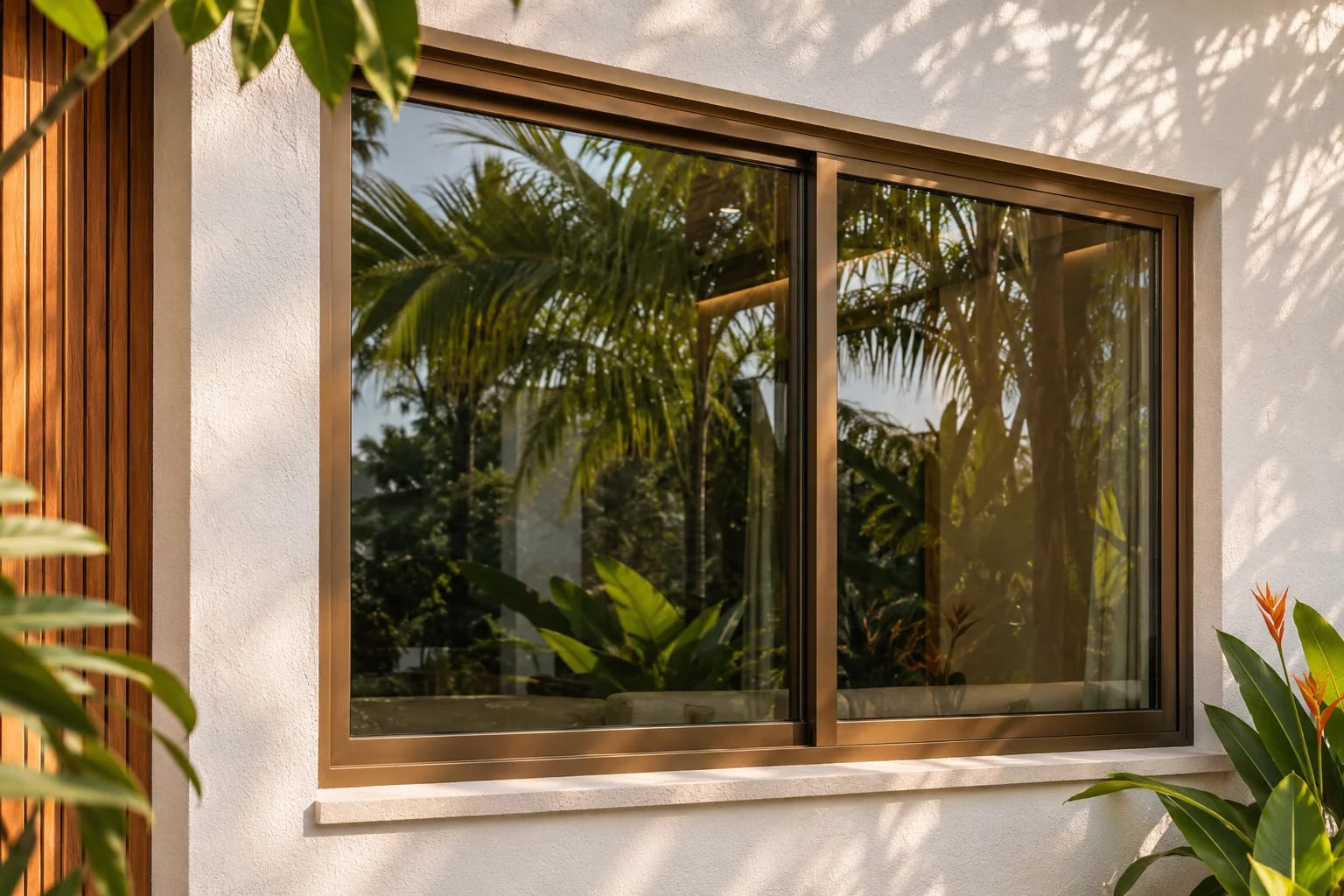
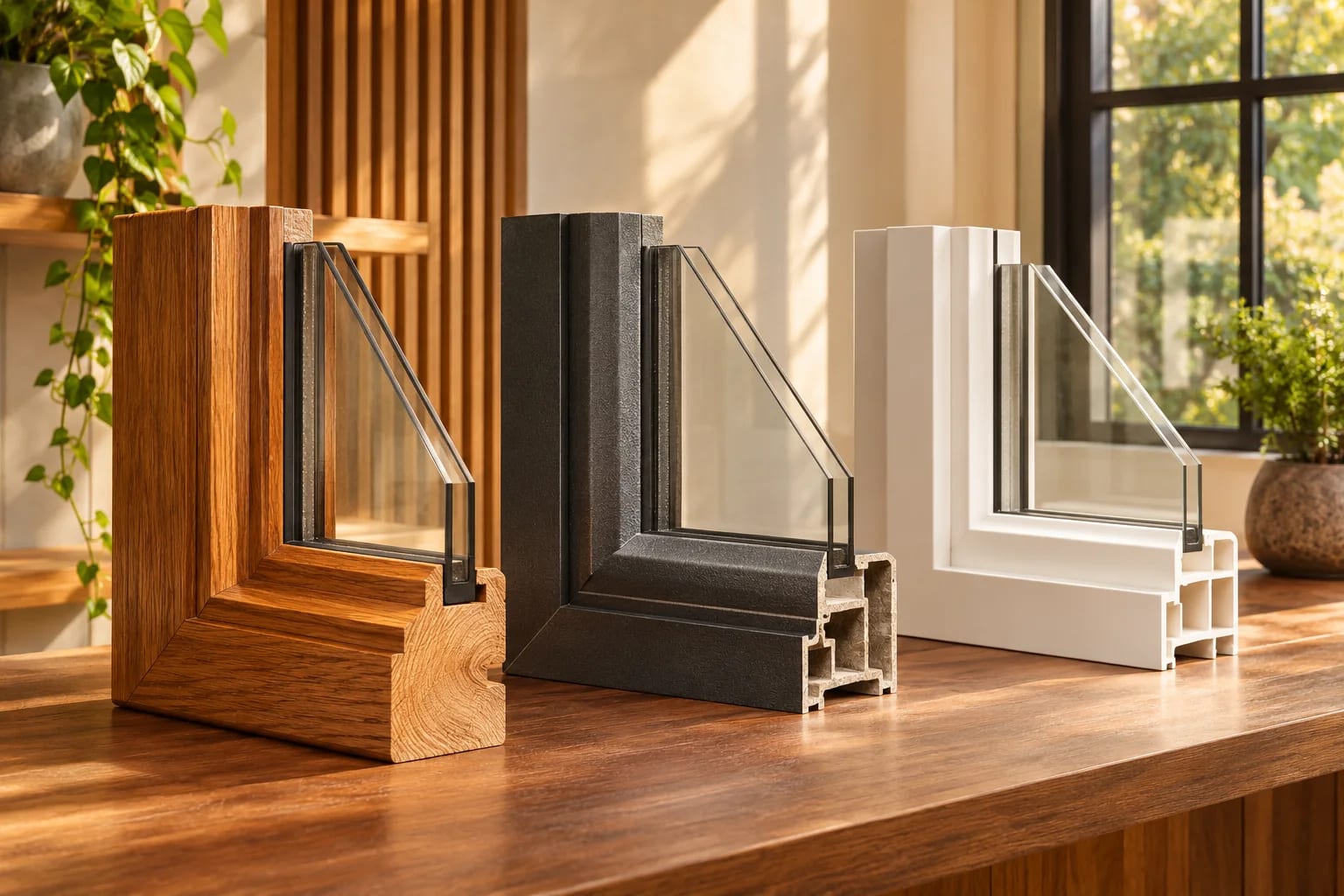
Impact units use laminated glass: two or more panes bonded by a tough plastic interlayer, much like a car windshield. When debris strikes, the glass can crack but the interlayer holds it together and keeps the opening closed.
The frame and anchoring matter as much as the glass. A strong unit poorly attached to the wall can still fail, which is why installation is inspected.
Where Florida Requires Impact Protection
The Florida Building Code defines a wind-borne debris region, where glazed openings must be impact-resistant or protected. It covers areas:
- Within 1 mile of the coastal mean high-water line where the ultimate design wind speed is 130 mph or greater, under certain exposure conditions.
- Anywhere the ultimate design wind speed is 140 mph or greater (Florida Building Code, 2023, Chapter 2).

The High-Velocity Hurricane Zone
Miami-Dade and Broward counties form the High-Velocity Hurricane Zone (HVHZ), which has stricter provisions than the rest of the state (Florida Building Commission). Products used there typically carry a Miami-Dade Notice of Acceptance (NOA) stating they comply with HVHZ requirements. Elsewhere, Florida Product Approval and the local building department decide what's acceptable.
Know the Ratings and Approvals
Two things matter on any product: its approval for your location and its design pressure rating, which shows the wind load the unit is rated to resist.
Check that the approval covers your exact product, size and installation method, and that it's current. Miami-Dade NOAs carry an expiration date, for example. Your installer and building department will need the approval documents.
Impact Windows vs. Shutters
Both can meet code. The right choice depends on budget, how often you're home in storm season, and how much you value everyday benefits.
| Impact windows and doors | Storm shutters | |
|---|---|---|
| Ready for a storm | Always | Must be closed or installed before each storm |
| Upfront cost | Higher | Usually lower |
| Everyday benefits | Noise reduction and security | None when open |
| Appearance | Looks like a normal window | Visible tracks, panels or housings |
| Best for | Second homes, frequent travel, large glass walls | Tight budgets and people home during storm season |
Insurance Discounts and Large Openings
Florida law requires residential property insurance rate filings to include actuarially reasonable discounts, credits or other rate differentials for properties with windstorm mitigation features (Florida Statutes 627.0629). Ask your agent which documents prove your opening protection, such as a wind mitigation inspection.
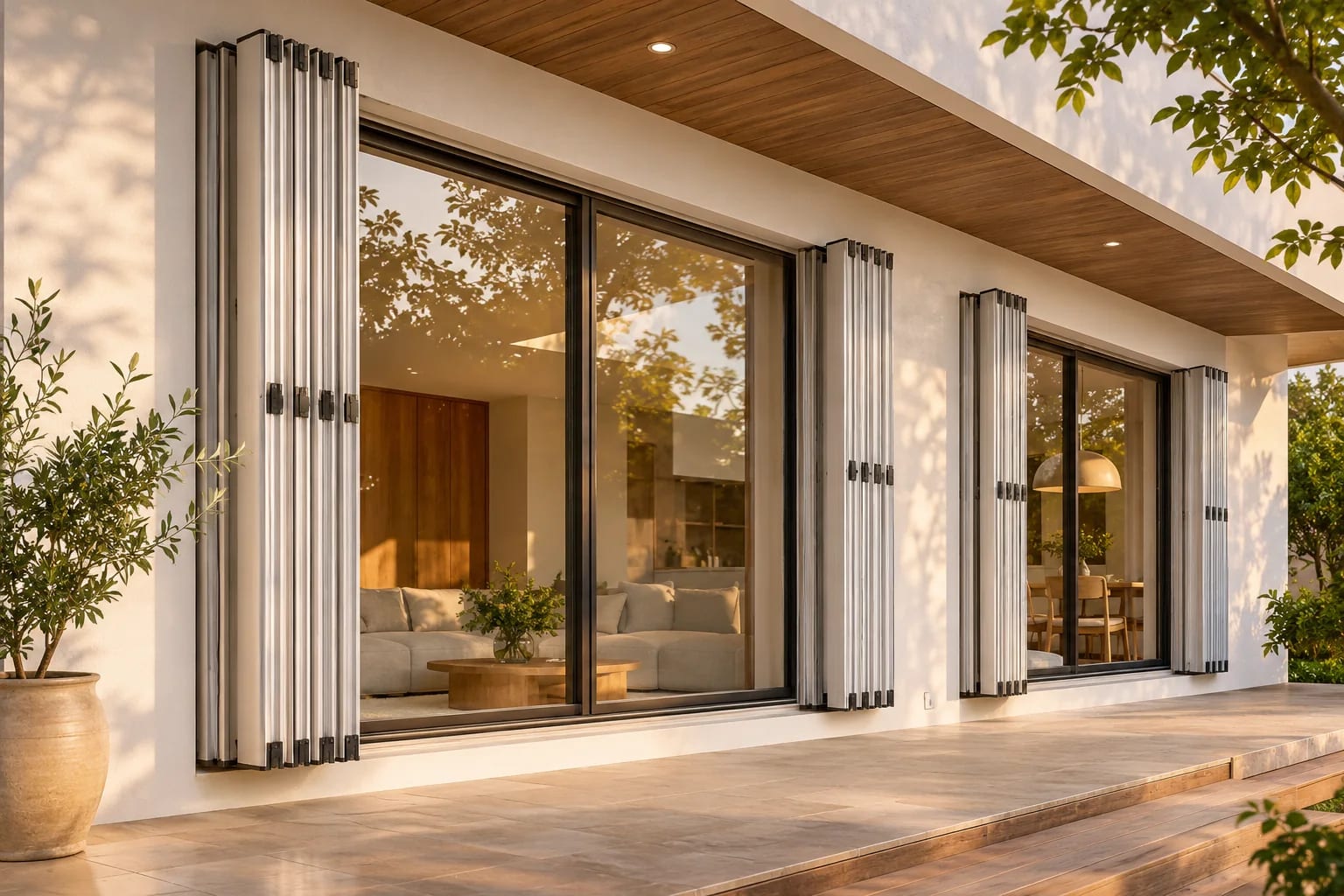
Big sliding glass walls are popular in Florida homes, but size affects the engineering, approvals and cost. Bring your window supplier and engineer into the design before the layout is final.
Questions to ask before you buy
Get clear answers to these in writing:
- Is this product approved for my county, wind zone and opening size?
- What is its design pressure rating, and does it meet my home's requirements?
- Who installs it, and how is anchoring inspected?
- What does the warranty cover, including seal failure and labor?
- Can I have the approval documents for my insurer and building department?
Any paid link in this article is labeled Sponsored. Learn how we work with partners.
Common Questions
Do I need impact windows in Florida?
In the wind-borne debris region and the High-Velocity Hurricane Zone, glazed openings must be impact-resistant or protected, for example by approved shutters. Requirements depend on your exact location and design wind speed, so ask your building department.
Can impact windows break?
Yes. The glass can crack, but the laminated interlayer is designed to keep the opening closed after an impact. A damaged unit usually needs replacing, so check what the warranty covers.
What is a Miami-Dade NOA?
A Notice of Acceptance is a product approval issued by Miami-Dade County's product control program. It states that the product complies with the Florida Building Code, including the High-Velocity Hurricane Zone, for the conditions described. NOAs have expiration dates.
Are impact windows worth it compared with shutters?
They cost more up front but are always ready, reduce outside noise and improve security. Shutters cost less but must be closed before every storm. If you travel often in storm season or have large glass walls, impact glazing is usually the more practical choice.
Do impact windows lower insurance premiums?
They can. Florida law requires insurers' residential rate filings to include discounts or credits for windstorm mitigation features. The amount depends on your insurer and home, so ask your agent what documentation they need, such as a wind mitigation inspection report.
Do impact doors and garage doors need protection too?
In areas that require opening protection, it typically applies to glazed openings including doors with glass. Garage doors also face high wind loads. Ask your building department which openings on your home need impact-rated products.
Protecting Your Openings
Impact windows and doors keep a coastal home sealed when it matters most. Confirm which Florida zone you're in, choose products approved for your location and opening sizes, and make sure installation is inspected. Keep the approval paperwork for your insurer.
Planning a new coastal home? Start with plans designed for Florida's climate.
Browse Florida house plansSources
- International Code Council: 2023 Florida Building Code, Building, Chapter 2 Definitions (wind-borne debris region)
- Florida Building Commission: High-Velocity Hurricane Zones
- Florida Statutes 627.0629: Residential property insurance rate filings
- Miami-Dade County: Product Control (Notices of Acceptance)
Plans Mentioned Here

Courtyard 4-Bedroom Home
2,912 sq. ft. · 4 beds · Single story

Mediterranean 5-Bedroom Villa
5,072 sq. ft. · 5 beds · 2 stories